Grade: 2nd (Inclusion) Estimated Time: 40 minutes Topic: Seeds & Plants Materials: · Lima Beans (Soaked Overnight) · White Paper Towels · Spray Bottle with Water · Rulers · Seed Journal Packets · Small Plastic Ziploc Bags · Toothpicks · Magnifying Glasses · Paper Plates · Pencils · Growing Vegetable Soup by Lois Ehlert · Permanent Markers  |
New York State Learning Standards Mathematics, Science, & Technology (Standard 7) Students will measure the length and width of their lima bean seed with a ruler using centimeters. (Standard 1) Students will observe and record their observations daily in their Seed Journal Packet. (Standard 4) Students will learn that plants need water, air, soil, and sunlight to grow. Students will learn about the parts of a seed. English and Language Arts (Standard 4) Students will raise their hand and recognize when it is appropriate for them to speak. 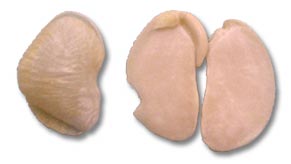 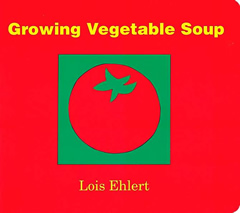 |
|
Introduction: The teacher will read the book, Growing Vegetable Soup by Lois Ehlert to the students at the “Gathering Area”. Students will be asked to listen for what plants need to grow while the teacher is reading the book to them. Following the read aloud, the teacher will ask students the following questions: · How do you feel when you are tired? · How do you feel when you are hungry? · How do you make yourself feel better when you are hungry or tired? The teacher will explain to students that plants can feel the same way too. The teacher and students will then discuss the four basic things a plants needs in order to grow in their Seed Journal. Developmental Activity: The students will then be asked to return to their seats. Each student will receive a magnify glass, toothpicks, paper towel, two bean seeds, and a clear plastic Ziploc bag. The students will be asked to find the small white spot on their seeds. The teacher will explain to the students that the small white spot is where the seed was attached to the plant it came from. The students will be asked to place their fingers on their belly buttons. The students will be told that the white mark on the seed is similar to a person’s belly button. Then the teacher will tell students that the outside of the seed is covered by a “seed coat”, or skin, which protects what, is inside. The teacher will discuss with students why the outer skin may be called the “seed coat”. Then the teacher will ask students to predict what is inside the seed. The teacher will then demonstrate how to use a toothpick to peel the “seed coat” off the seed. Then the teacher will open the seed and show the children, the “embryo”, or tiny plant inside. The teacher will explain that this is the part that will grow into a big plant when the seed gets what it needs to grow. The teacher will then talk about the cotyledon, which provides food for the seed. As students are dissecting their seeds, they will label a large picture of a lima bean seed in their Seed Packet. Concluding Activity: Then the teacher will have students draw and record what they see when they receive their second lima bean seed. Students will then measure their seed in centimeters and record their measurement in their Seed Journal. The teacher will then spray each student’s paper towel with water and have them place their paper towel in the plastic Ziploc bag. Students will then place their seed on top of the paper towel in the bag. The students will write their name on the plastic Ziploc bag in permanent marker and tape it to the window for sunlight and warmth. The teacher will ask students to think about why were wet paper towels placed in the plastic Ziploc bags and why the window may be a good choice for taping their plastic Ziploc bags with their lima bean seeds. The students will monitor their seeds daily in the future as part of their “Morning Meeting”, by recording their observations in their Seed Journal. Evaluation: For homework, students will receive a worksheet that reinforces what was learned in the classroom.
|
||
Make a Free Website with Yola.
